
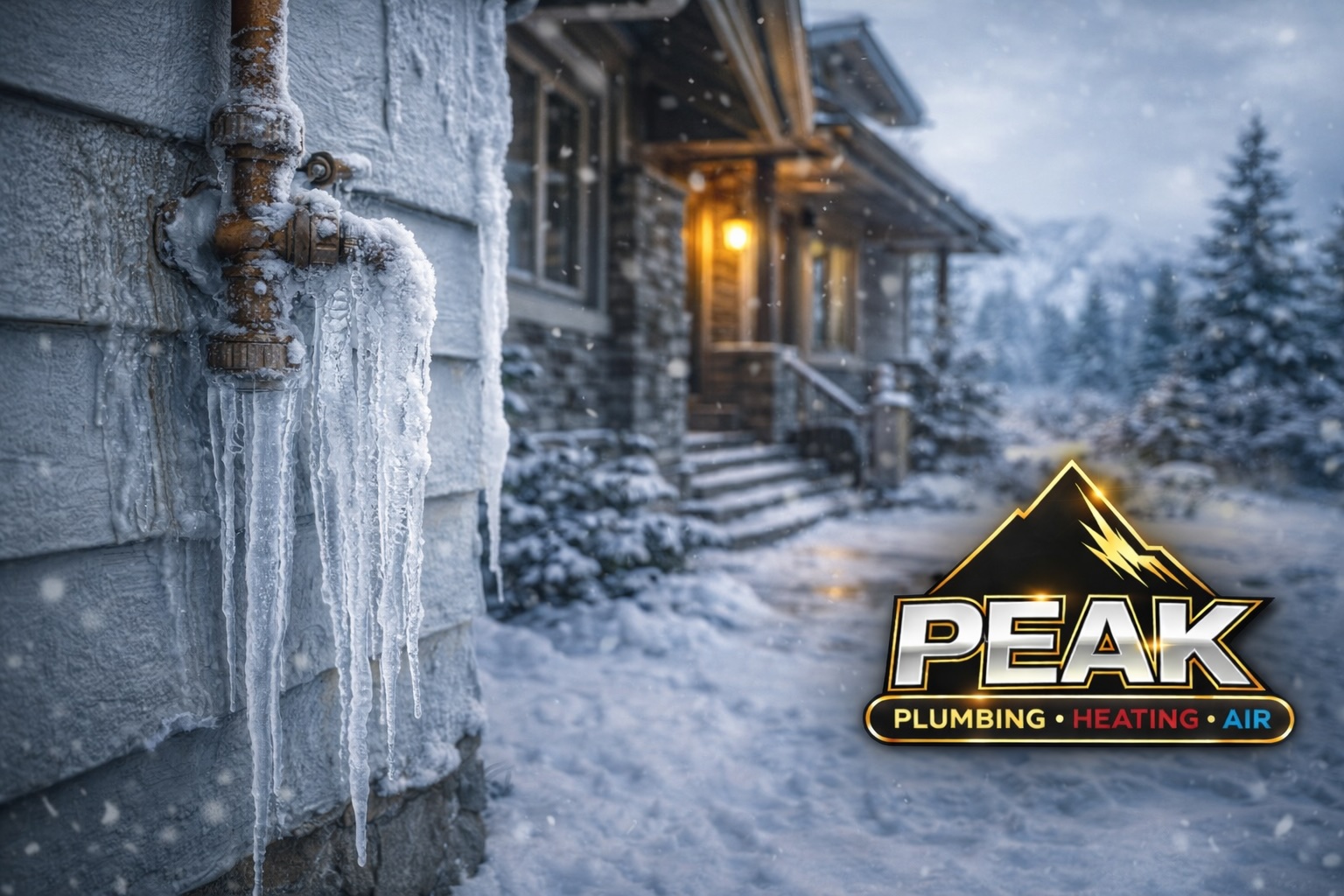
North Idaho winters are no joke. When temperatures drop below zero—and they regularly do—even brief exposure to the elements can cause water inside pipes to freeze solid. A frozen pipe isn't just an inconvenience; it's a plumbing disaster waiting to happen. Frozen pipes can burst, creating costly water damage that can affect your entire home's structure and foundation.
The good news: frozen pipes are largely preventable with the right preparation and knowledge. Peak Plumbing Heating & Air has served North Idaho homeowners for over 15 years, and we've seen every frozen pipe scenario imaginable. Here's our guide to keeping your pipes flowing all winter long.
Why Pipes Freeze in North Idaho
Water freezes at 32°F (0°C), but pipes don't always freeze right at that temperature. Several factors make North Idaho's climate particularly harsh on plumbing:
- Extreme cold: When temperatures drop to -10°F or lower, even well-insulated pipes can be at risk
- Exposed pipes: Pipes running through unheated basements, crawl spaces, attics, or exterior walls are most vulnerable
- Poor insulation: Old homes or additions with minimal insulation create ice-forming conditions
- Lack of water movement: Water sitting still in pipes freezes faster than flowing water
- Wind chill: North Idaho's mountain winds accelerate heat loss from exposed pipes
Prevention Tip #1: Insulate Your Pipes
The most effective way to prevent frozen pipes is to insulate them. Pipe insulation (also called pipe wrap or foam sleeves) adds a barrier between the cold and your water supply. Here's what you need to know:
- Focus on pipes in unheated areas: basements, crawl spaces, attics, and exterior walls
- Use foam pipe insulation sleeves for pipes with larger diameters
- Wrap smaller pipes with heating tape for extra protection in the coldest areas
- Insulate both hot and cold water pipes (cold water pipes freeze first, but hot water pipes can freeze too)
This is one of the easiest winter prep tasks you can do, and it's incredibly cost-effective. A roll of pipe insulation costs just a few dollars and can save you thousands in burst pipe damage.
Prevention Tip #2: Let Faucets Drip During Extreme Cold
When temperatures drop below zero, let cold-weather faucets drip slightly throughout the night. Moving water is much harder to freeze than stationary water. Even a slow drip maintains pressure in the pipes and can prevent ice blockages.
Focus on:
- Outdoor faucets (spigots)
- Kitchen and bathroom sinks fed by pipes that run through exterior walls
- Any faucet that serves an unheated area of your home
This trick works because the continuous movement of water prevents ice from forming. It's simple, free, and highly effective for preventing frozen pipes.
Prevention Tip #3: Open Cabinet Doors Under Sinks
Pipes under kitchen and bathroom sinks are often in cold spots, especially if the cabinet backs up to an exterior wall. Open cabinet doors when temperatures drop significantly. This allows warm air from inside your home to circulate around the pipes, keeping them above freezing.
It's a small adjustment that can make a big difference, especially in older homes with thin wall insulation.
Prevention Tip #4: Seal Air Leaks and Drafts
Cold air infiltration is a major cause of pipe freezing. Inspect your home for:
- Gaps around pipes where they enter your home
- Cracks in exterior walls
- Gaps around windows and doors
- Openings in basements or crawl spaces
Sealing these gaps with caulk or foam sealant keeps cold air away from vulnerable pipes and improves your home's overall energy efficiency.
Prevention Tip #5: Disconnect Outdoor Hoses
Before winter arrives, disconnect all garden hoses and store them away. A hose left connected to an outdoor faucet creates a direct path for cold to reach the pipe connection inside your home. Frozen water in the hose can freeze the faucet and the nearby interior pipe.
It only takes a few minutes to disconnect hoses, and it's one of the most commonly overlooked prevention measures.
Prevention Tip #6: Maintain Consistent Heat
Keep your home heated to at least 55°F at all times during winter, even when you're away. Lowering your thermostat to save money isn't worth the risk of frozen pipes. If you're away during winter, set your thermostat to maintain a minimum temperature rather than shutting off heat entirely.
For vacation homes or properties you don't occupy in winter, consider shutting off the water supply and draining all pipes instead.
What to Do If Pipes Do Freeze
If you discover a frozen pipe (often indicated by no water flowing from a faucet), don't panic. Here's what to do:
- Turn off the main water valve immediately to prevent burst damage
- Call Peak Plumbing Heating & Air right away—don't try thawing the pipe yourself
- Open the affected faucet to allow water to flow once thawed
- Apply warmth to the pipe with heating tape or hot water (professionals have specialized equipment)
Never use an open flame or propane torch near pipes or walls—this creates a serious fire hazard.
The Bottom Line
Frozen pipes are a serious problem in North Idaho winters, but they're highly preventable with proper preparation. Insulate your pipes, let faucets drip during extreme cold, seal air leaks, and maintain consistent heat throughout the winter. These simple steps will keep your plumbing safe and your home comfortable all season long.
If you're concerned about your pipes or want a professional assessment of your home's winter readiness, contact Peak Plumbing Heating & Air. Our technicians can inspect your plumbing system, recommend improvements, and ensure you're prepared for North Idaho's harsh winter conditions.